Hemp Fabric vs Cotton Fabric: Key Differences and Uses
Choosing the right fabric is an important decision for textile manufacturers, bag producers, apparel brands and sourcing teams. Hemp and cotton are plant-based fibres used to create a wide range of woven and knitted materials, but they can differ in texture, processing requirements, appearance and end-use suitability.
Both materials can be considered for products such as bags, accessories, apparel and home textiles, depending on the fabric construction and finishing.
In this guide, we compare hemp fabric and cotton fabric and explain what businesses should consider when selecting materials for their products.
1. What Is Hemp Fabric?
Hemp fabric is produced from fibres obtained from the stalks of the hemp plant. These fibres are processed and spun into yarn before being woven or knitted into fabric.
The finished material can vary considerably depending on fibre preparation, yarn construction, weave and finishing.
Some hemp fabrics have a more textured appearance and a firm handle, while other constructions can be softer and more flexible.
Hemp fabric may be considered for bags, accessories, apparel and other textile products when its characteristics meet the intended design and performance requirements.
2. What Is Cotton Fabric?
Cotton fabric is made from fibres obtained from cotton plants. Cotton fibres are spun into yarn and converted into fabric through weaving or knitting.
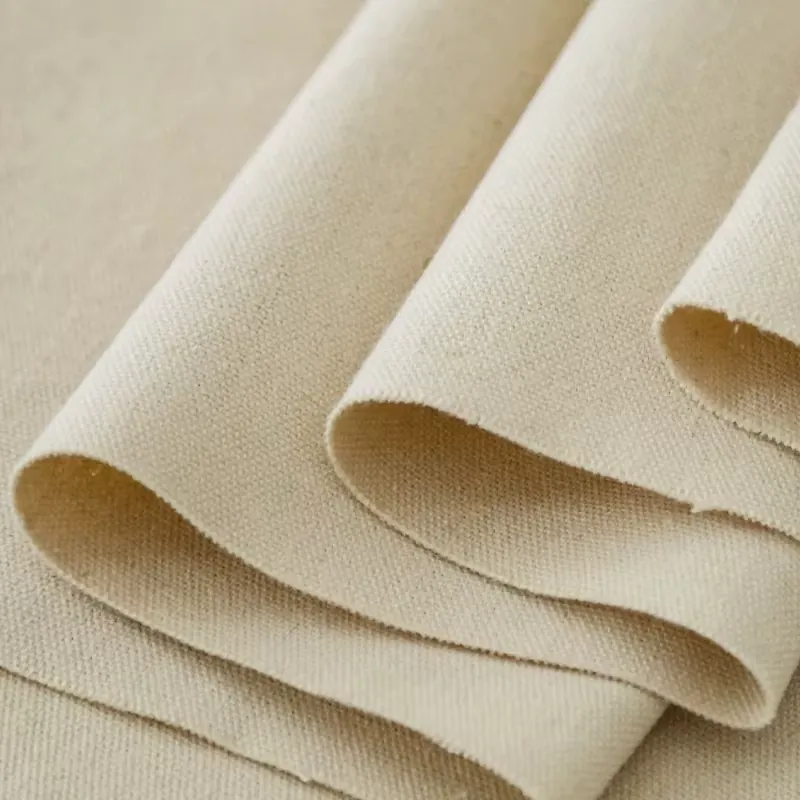
Cotton is available in many constructions, including plain weave, twill, canvas and duck fabrics. These constructions differ in appearance, weight, structure and intended use.
Depending on the specification, cotton fabric can be used for apparel, tote bags, shopping bags, home textiles, accessories and industrial or utility applications.
Because cotton fabrics are available in a wide range of qualities, buyers should compare the actual fabric specifications rather than treating all cotton materials as identical.
3. Hemp Fabric vs Cotton Fabric: Main Differences
Fibre Source
Hemp and cotton come from different plants and have different fibre structures. These differences influence the processing methods and characteristics of the resulting textiles.
Texture and Appearance
Some hemp fabrics have a naturally textured or slightly coarse appearance, although processing and finishing can produce different surface characteristics.
Cotton fabrics can range from smooth and lightweight to thick and structured, depending on the yarns, weave and finish.
Strength and Durability
Both hemp and cotton can be used in durable textile products. However, the strength of the finished fabric depends on more than the fibre alone.
Yarn quality, fabric construction, weight, finishing and the way the product is manufactured all influence performance.
For bags, for example, seam construction, handle attachment and reinforcement are also important.
Comfort and Breathability
Cotton is commonly selected for apparel and products where a familiar, soft fabric handle is desired. Hemp fabric can also be used in apparel and other applications, with comfort depending on fibre processing and fabric construction.
Buyers should evaluate the actual sample when softness, drape or skin contact is important.
Processing and Finishing
Both materials may require different processing approaches to achieve a particular appearance, colour or handle. Confirm the available finishing options and their effect on the fabric before finalising specifications.
4. Which Fabric Is Better for Tote Bags?
The right choice depends on the intended bag, the customer’s preferences and the required product performance.
Cotton fabric may be suitable when:
A wide choice of fabric constructions is needed.
Colour, printing or branding options are important.
The product specification calls for a particular cotton canvas, twill or duck construction.
The project requires a familiar material with defined weight and surface characteristics.
Hemp fabric may be suitable when:
The product concept calls for hemp-based material.
A natural, textured appearance is desired.
The buyer wants to explore alternatives to conventional cotton.
The fabric’s cost, availability and technical properties meet the project requirements.
Neither option is automatically better for every tote bag. Request samples and compare the fabric's construction, feel, printing compatibility and performance before ordering in bulk.
5. Which Fabric Is Better for Apparel?
For apparel, the decision depends on the garment design, climate, intended use and required feel.
Cotton fabrics are available in a broad range of weights and constructions, from lightweight materials to heavier twills.
Hemp fabrics can also be used in garments, but the finished handle, drape and comfort depend on how the fibres have been processed and how the fabric has been constructed.
When sourcing apparel fabric, assess:
Fabric weight and drape.
Surface texture and softness.
Colour consistency.
Shrinkage and dimensional stability.
Colourfastness and care requirements.
Compatibility with cutting, sewing and finishing processes.
Testing samples before bulk production can help reduce the risk of selecting an unsuitable material.
6. Hemp vs Cotton: Sustainability Considerations
Sustainability is an important consideration for many textile buyers, but it should be assessed using evidence about the specific material and its production.
Hemp and cotton have different agricultural and processing requirements. The environmental impact of a finished fabric can also depend on factors such as cultivation practices, water and energy use, processing, dyeing, transportation and product lifespan.
For this reason, it is not accurate to assume that every hemp fabric has a lower environmental impact than every cotton fabric.
When sustainability is a purchasing priority, buyers can ask suppliers for relevant information about:
Fibre origin and composition.
Cultivation or sourcing practices, where documented.
Dyeing and finishing processes.
Applicable certifications and their scope.
Recycled or organic content claims, where relevant.
Traceability and supporting documentation.
Choose claims that can be substantiated by reliable information rather than relying only on broad labels such as “natural” or “eco-friendly.”
7. What Should Buyers Check Before Bulk Ordering?
Whether you choose hemp or cotton, a clear specification helps align the supplier's material with the intended product.
Confirm the Fabric Composition
Specify the required fibre content and confirm whether the fabric is pure hemp, pure cotton or a blend.
Check the GSM
GSM refers to grams per square metre and indicates fabric weight. Compare the required weight and acceptable tolerance with the supplier's specification.
Evaluate the Construction
Confirm the weave or knit structure, fabric width and other technical details relevant to the finished product.
Approve the Colour and Finish
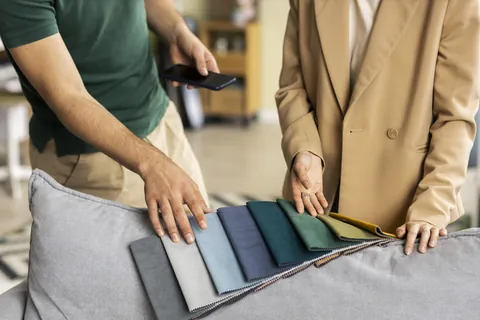
Request a sample or swatch to evaluate the colour, texture, handle and finish before bulk production.
Ask About Quality Checks
Discuss applicable testing, dimensional stability, colourfastness and other quality requirements for the intended application.
Confirm Commercial Terms
Before placing an order, agree on minimum order quantities, pricing, production lead times, delivery terms and repeat-order expectations.
8. Choosing a Textile Supplier
A suitable supplier should be able to explain the fabric specifications and help you assess whether the material meets your requirements.
For B2B sourcing, consider the supplier's ability to communicate clearly about fibre composition, fabric weight, construction, finishing, quality tolerances and documentation.
If your project requires particular sustainability claims or certifications, confirm their applicability and request supporting documents before making commitments to your customers.
A sample review and an agreed written specification can make bulk purchasing more predictable.
9. Conclusion
Hemp and cotton fabrics each offer options for textile manufacturing, but the right choice depends on the product, required appearance, performance, budget and sourcing priorities.
Cotton offers a broad range of fabric constructions, while hemp may appeal to projects seeking hemp-based materials and particular surface characteristics. Neither fibre guarantees a specific level of durability or sustainability without considering the finished fabric and its production.
Before making a bulk purchase, compare samples, verify technical specifications and confirm the documentation needed for your business.
Looking for Cotton or Other Woven Fabrics for Your Next Project?
Contact SSPL Textile to discuss your fabric requirements, intended application and sourcing specifications.