How to Choose the Best Fabric for Tote Bags and Shopping Bags
Tote bags and reusable shopping bags have become popular choices for retail businesses, promotional campaigns, everyday shopping and product packaging. For manufacturers and brands, selecting the right fabric is an important step in creating bags that look professional, perform well and meet customer expectations.
The best fabric for a tote bag depends on several factors, including the intended use, required strength, fabric weight, appearance, printing method and budget. Cotton canvas, cotton twill, cotton duck and other woven materials offer different characteristics that suit different applications.
In this guide, we explore the most important factors to consider when choosing fabric for tote bags and shopping bags.
1. Understand the Purpose of the Bag
Before selecting a fabric, identify how the finished bag will be used.
A lightweight promotional tote bag has different requirements from a shopping bag designed to carry heavier products. Similarly, a premium retail bag may need a smooth surface and refined appearance, while a utility bag may prioritise durability and resistance to everyday wear.
Consider these common applications:
- Retail shopping bags: Fabric should suit repeated handling and the expected shopping load.
- Promotional tote bags: Printability, appearance and cost are often important considerations.
- Corporate gift bags: Surface finish, colour consistency and presentation may take priority.
- Everyday carry bags: Comfort, practical construction and durability matter.
- Utility and storage bags: Fabric strength, construction and the intended load should guide selection.
Defining the application first makes it easier to compare fabric specifications and avoid choosing a material that does not meet the product's requirements.
2. Compare Common Fabrics Used for Tote Bags
Different fabrics offer different advantages. The most suitable choice depends on the required bag design and performance.
Cotton Canvas
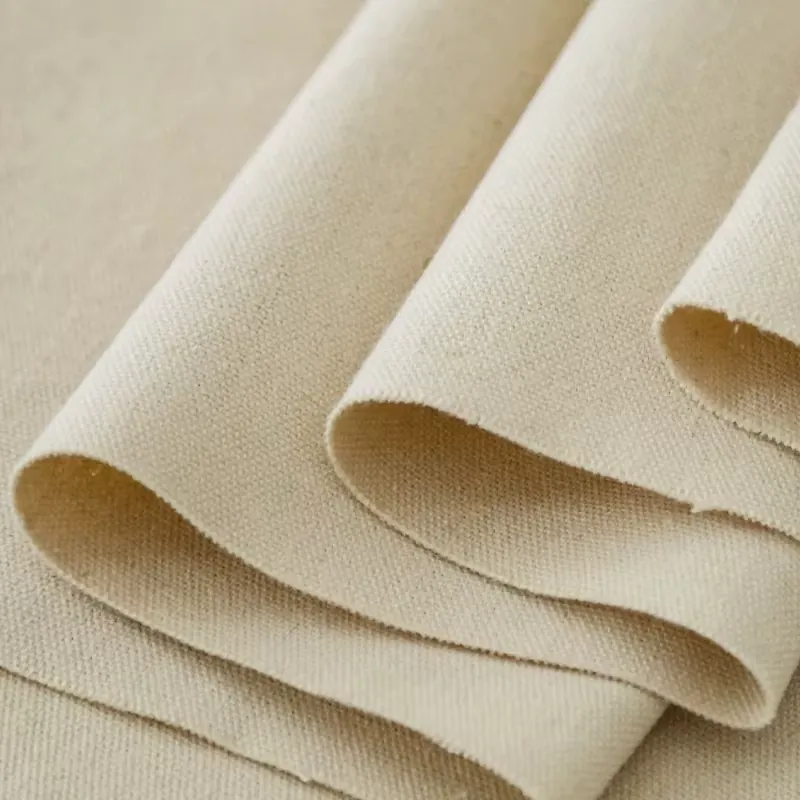
Cotton canvas is a commonly considered option for reusable shopping bags, promotional totes and retail packaging. Its woven construction can provide a useful balance of structure, appearance and versatility.
Canvas is available in different weights and constructions. Lighter options may suit simple everyday totes, while heavier options may be appropriate for bags that require a more structured feel.
When selecting canvas, check the fabric weight, width, weave consistency, finish and suitability for the intended sewing and printing processes.
Cotton Twill
Cotton twill is recognised by its characteristic diagonal weave pattern. Depending on its construction and specifications, it can offer a flexible material choice for fashion totes, shopping bags and other sewn products.
Twill may be worth considering when the desired appearance differs from a traditional plain-weave canvas. The final choice should depend on the required thickness, drape, durability and surface finish.
Cotton Duck Fabric
Cotton duck is a closely woven cotton fabric commonly associated with firm, sturdy constructions. It can be suitable for structured bags and applications where the fabric's body and strength are important.
However, not every cotton duck fabric has the same properties. Weight, yarn characteristics, weave density and finishing influence its suitability for a particular bag.
Other Cotton and Blended Fabrics
Plain cotton fabrics and selected blended materials can also be considered for tote bags, depending on the intended application.
A lighter material may work for a simple promotional product, while a different construction may be more appropriate when the design requires added structure or a particular appearance.
Always assess the actual fabric specification rather than relying on the fibre name alone.
3. Check the Fabric GSM
GSM stands for grams per square metre. It describes the mass of a fabric over a defined area and is commonly used when specifying woven textiles.
Fabric GSM is an important consideration when developing tote bags because it can influence the material's thickness, weight, feel and overall suitability.
In general, a heavier fabric may provide a more substantial feel, while a lighter fabric may help reduce the finished bag's weight. However, GSM alone does not determine strength or durability.
Two fabrics with the same GSM may behave differently because of their yarns, weave structures, finishing and construction.
When sourcing fabric, communicate your intended bag application and request suitable specifications from your supplier. If you already have an approved sample, use it as a reference when evaluating alternatives.
4. Consider Fabric Strength and Construction
The performance of a finished tote bag depends on more than the fabric itself. The bag's design, stitching, seams, handles and reinforcement also influence how well it performs in use.
Before selecting a fabric, consider:
- The expected contents and approximate carrying load.
- The dimensions and shape of the bag.
- The handle design and attachment points.
- The stitching and seam construction.
- The level of structure required.
- The frequency of expected use.
For bags intended to carry heavier items, the fabric and finished construction should be evaluated together. Request samples and conduct appropriate product testing before confirming specifications for a large production order.
Avoid assuming that a fabric is suitable for a particular load based only on its name or GSM.
5. Choose the Right Fabric for Printing and Branding
Many tote bags feature printed logos, artwork, promotional messages or branded designs. The fabric surface can influence how the final print looks.
When evaluating fabric for printing, consider:
- Surface smoothness and texture.
- Colour and shade consistency.
- Fabric absorbency and finishing.
- Compatibility with the intended printing method.
- Shrinkage and dimensional stability.
- The appearance of the design after the relevant production and care processes.
A smoother surface may be desirable for detailed graphics, while a more textured surface may suit a different visual style.
Screen printing, digital printing and other decoration methods have different requirements. Confirm compatibility with
6. Evaluate Colour, Finish and Appearance
Fabric appearance plays an important role in retail and promotional products.
Natural cotton shades can suit understated designs, while dyed fabrics can help brands achieve a particular visual identity. Different finishes may also affect the fabric's handle, surface appearance and performance.
When ordering fabric in bulk, discuss:
- Required colour and shade.
- Acceptable shade variation.
- Surface texture and finish.
- Whether the fabric will be printed or dyed after sourcing.
- Shrinkage and finishing requirements.
- Sample approval and quality expectations.
Approving a representative sample before bulk production helps establish a shared reference for the buyer, fabric supplier and bag manufacturer.
7. Consider Sustainable Fabric Options
Businesses seeking reusable bag materials may consider cotton, recycled fibres, or other materials that align with their product requirements and sourcing policies.
The right choice depends on the intended use, material specifications, supply-chain documentation and any environmental claims the finished product is expected to support.
When evaluating sustainable fabric options, ask suppliers about:
- Fibre composition and material traceability.
- Available recycled or organic material documentation.
- Relevant certifications and their scope.
- Fabric performance and expected product lifespan.
- Dyeing, finishing and care requirements.
- Documentation needed for your customers or compliance process.
Do not assume that a fabric is certified or environmentally preferable simply because it contains cotton or recycled material. Verify the relevant documentation and ensure that any claims accurately reflect the material supplied.
8. Balance Quality and Cost
Price is an important factor in bulk fabric sourcing, but the lowest quoted price does not always represent the best overall value.
A suitable comparison should include the fabric specification, consistency, finishing, usable width, expected cutting waste and compatibility with the manufacturing process.
For a fair comparison, request quotations based on the same requirements, including:
- Fibre composition.
- Fabric construction.
- GSM and width.
- Colour and finish.
- Required quantity.
- Quality tolerances.
- Delivery schedule.
- Applicable testing or documentation requirements.
Comparing like-for-like specifications helps businesses evaluate offers more accurately and make informed purchasing decisions.
9. Request Samples Before Bulk Ordering
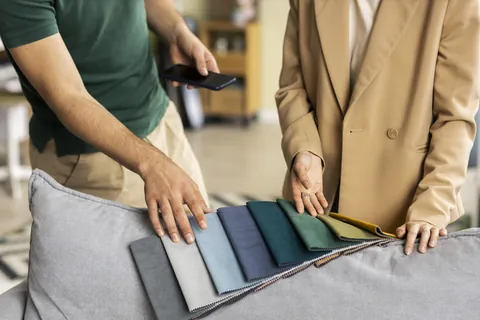
Fabric samples allow buyers to assess the material before committing to a production quantity.
A useful sample evaluation can include:
- Visual inspection of the weave and surface.
- Verification of width and GSM.
- Colour and shade assessment.
- Sewing and handling trials.
- Printing or branding tests.
- Shrinkage checks where relevant.
- Appropriate performance tests for the intended application.
Document the approved specification so that subsequent orders can be compared against the same requirements.
If a fabric will be used in a finished bag, evaluate a sample of the actual bag construction as well as the unsewn material.
10. Work With a Fabric Manufacturer That Understands Your Requirements
Choosing a suitable fabric supplier is an important part of product development, especially for businesses purchasing material repeatedly.
A reliable sourcing process should include clear specifications, sample evaluation, communication about production requirements and agreement on quality expectations.
When assessing a fabric manufacturer, ask about relevant product experience, available constructions, customisation options, quality-control procedures, minimum order quantities and lead times.
The right questions depend on your product and purchasing requirements, so establish these details before confirming a bulk order.
At SSPL Textile, businesses can explore fabric options relevant to their intended applications and discuss their sourcing requirements with the team.
11. Conclusion
The best fabric for tote bags and shopping bags is the one that meets the finished product's practical, visual and commercial requirements.
Cotton canvas, cotton twill and cotton duck are useful options to compare, but the ideal selection depends on fabric weight, construction, intended load, printing requirements, finishing and budget.
Start by defining your bag's purpose, confirm the required specifications, evaluate samples and approve the material before bulk production. A clear sourcing process helps businesses select fabric with greater confidence and consistency.
Looking for fabric for your next tote bag or shopping bag project?
Contact SSPL Textile to discuss your fabric requirements, intended application and preferred specifications.
Explore our fabric range and get in touch with our team to discuss suitable options for your business.